I believe that the world would be a better place if we all showed more compassion and kindness. I believe that showing others that you care about them and the world around you does not have to either costs a lot of money or time: A compliment to the co-worker that always helps you polish up your presentation, a random postcard to your best friend or father or telling the neighbour that you really enjoy walking past their flowers in the morning. This all doesn’t cost a lot of money, if any at all, but make the other person smile and feel appreciated. With this blog, I am hoping to spread more kindness and happiness and to help myself, and maybe others along the way, to realise that the world is a good place, that people are kind and loving and to have a collection of my happy moments throught the years.
My month in books: February
This year, I have decided to not set any goals for my online shop or any other business/ project I have and to just do whatever I feel like doing in my free time. Since I have made that decision, I find myself reading more than I used to last year and it makes me very happy. Finding new stories, listening to unknown voices and learning is something I thoroughly enjoy. So here are the books I read in February:
Non-Fiction books
For the last six or seven years, I have been reading more and more non-fiction books. They are, for me, the perfect way to learn about a new topic without getting lost in too much information or an abundance of webpages. In February, I read eight non-fiction books:
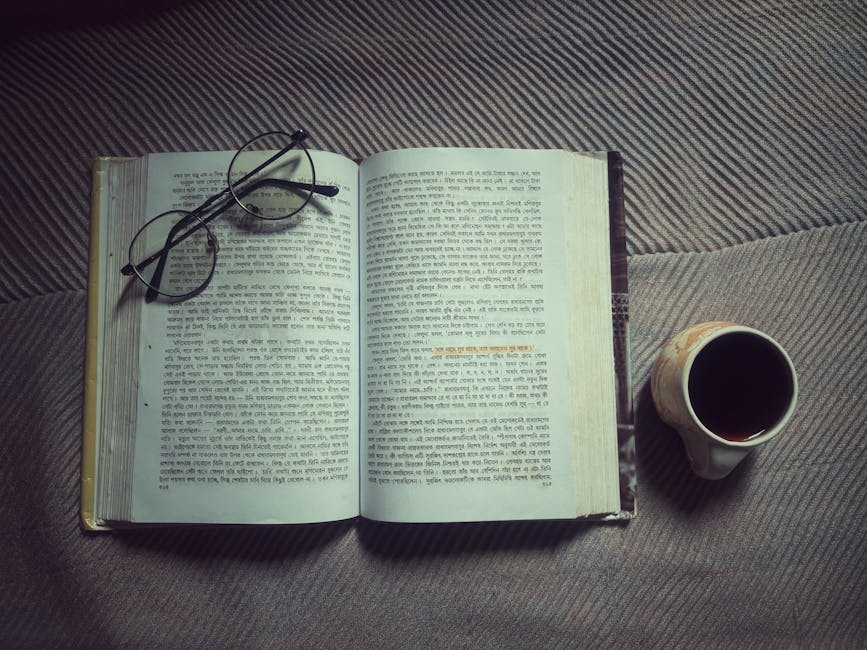
- Smoke Gets in Your Eyes & Other Lessons from the Crematory by Caitlin Doughty
- Bleaker House by Nell Stevens
- The Nature of Nature. Why We Need the Wild by Enric Sala
- What We´re Told Not To Talk About (But We´re Going to Anyway) by Nimko Ali
- Was weiße Menschen nicht über Rassismus hören wollen aber wissen sollten by Alice Hasters
- exit RACISM by Tupoka Ogette
- Anti-Racist Ally. An Introduction to Action & Activism by Sophie William
- The 5 AM Club by Robin Sharma
Fiction books
In February, all fiction books I read were enjoyable, some more than others, but I can recommend them all. Kind of 🙂

- A Little Life by Hanya Yanagihara
- S (Ship of Theseus) by J.J. Abrams and Doug Dorst
- The 57 Bus by Dashka Slater
- Transcendent Kingdom by Yaa Gyasi
- Im Park der prächtigen Schwestern (Las Malas) by Camila Sosa Villada
- Open Water by Caleb Azumah Nelson
Reviews non-fiction books
Smoke Gets In Your Eyes & Other Lessons from the Crematory by Caitlin Doughty

Caitlin Doughty tells about her work as a mortician and crematory employee. While the book provides detailed descriptions of what happens to you once you are dead, the book also points out how detached we are, as a Western society, from death and dead people. Doughty makes a case for letting death and talking about it become a part of our lives, thus making the thought of dying and everything that comes with it less scary and taboo. Doughty also has a youtube-channel called Ask a Mortician where she answers questions and gives more insight into her work. I will write a more detailed review of this book as I feel it raised a lot of thoughts and things I would like to write about.
Bleaker House by Nell Stevens
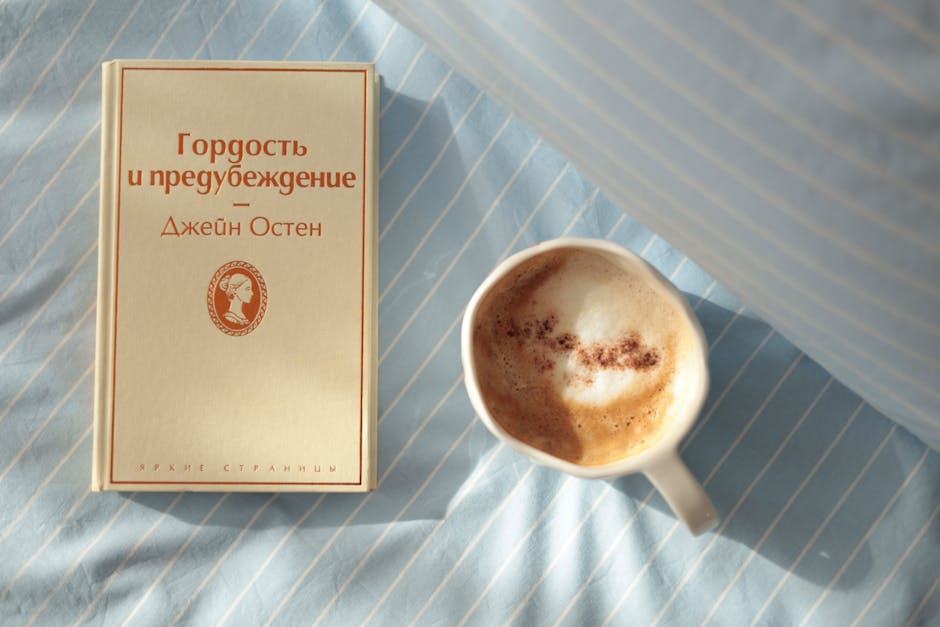
The book has a subtitle: How Far Would you Travel to Become a Writer? And Nell Stevens sets out to answer this question with a trip to the Falkland Islands. More specific Bleaker Island. A place where roughly two people live, next to animals and nothing else. Stevens, aching to write a novel, applies for a scholarship that allows her to spend time anywhere she wants. And while her colleagues choose Spain, Indonesia, or Sweden – Stevens wants to spend her time far, far away from anyone. She spends three months on the Falkland Islands and tries to write the novel that would make her name. I enjoyed reading her book because I read it at a time during which I also longed for solitude. No internet, no human interaction, no distractions and I could relate a lot to her wish and hopes. But also because the idea of being so far off the grid just sounds amazing and I would love to do it one day. It also made me wonder how many really remote places there are still in the world. Untouched nature, wilderness, and stillness.
The Nature About Nature. Why We Need the Wild by Enric Sala
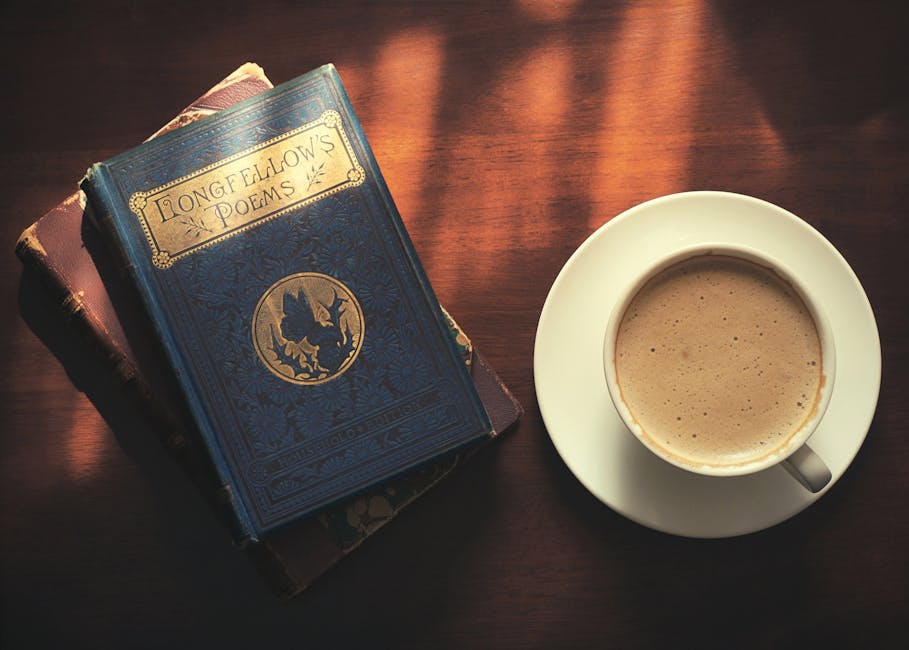
Encouraged by Steven´s book, I started reading Sala´s book by the end of the month. Sala, the founder of The National Geographic Pristine Seas project, explains why we, as humans, need wild animals, untouched seas, and more protected nature. It shows the connection between ecological diversity and economical success. While the book paints a rather dark picture of the future and the impact humans have on animals and nature, it also shows what has to be done to make a change and to stop the destruction of our planet. Reading the book made me want to learn more about our nature, and projects that fight for more protected oceans. But also, to understand how I can make a difference and put pressure on politicians. I will keep you updated on this and write a more detailed review of the book.
What We´re Told Not to Talk About (But We´re Going to Anyway) by Nimko Ali

Orgasms, periods, menopause, pregnancy – four topics the majority of women do not talk about on a regular basis, if at all. In her book What we´re told not to talk about (but we´re going to anyway) Nimko Ali sets out to listen to women from “East London to Ethiopia” tell their story and what it means to be pregnant or have your first orgasm. I did enjoy reading the book, mostly because it led to good conversations with my boyfriend and my friend Jule. However, it was lacking intersectionality and it did leave me with a bitter taste about womanhood and what it means to be a woman. You can read my review here.
Was weiße Menschen nicht über Rassismus hören wollen aber wissen sollten by Alice Hasters and exit RACISM by Tupkoa Ogette

I found the books by Hasters and Ogette very similar, and equally important. Both women write about racism, in Germany but also in society as a whole. The books are aimed at white readers and how we, as white people, need to finally acknowledge our privileges. Hasters and Ogette share very personal experiences with Anti-Black racism and how it has, and still is, impacting their lives. I can recommend both books to anyone who wants to leave their privileged “Happyland”, as Ogette calls it, and make the world a fairer world by understanding how we are all socialized in a racist society.
Anti-Racist Ally. An Introduction to Action & Activism by Sophie William
Sophie William´s book is a very short, yet precise, introduction to terms about racism. You can read it in less than an hour and it is recommended to anyone who is not familiar with terms such as “race pay gap”, “tone policing” and “redlining”. Every week, Williams asks her Instagram-followers what they have done that week to fight racism. A question we must ask ourselves!
The 5 AM Club by Robin Sharma

And now to the worst book, I have read so far ever: The 5 AM Club by Robin Sharma aka The Monk Who Sold His Ferrari. Uagh. I absolutely hated this book for several reasons and it sparked a whole blog series I am about to start this month. So look out for it if you want. I will also write a review of this book and what I think is wrong with it. Until then, let me just say, that I found the book even worse than Jordan B. Peterson´s 12 Rules for Life and that means a lot.
Review Fiction books
A Little Life by Hanya Yanagihara

I got this book from my dear friend Jule and she said it was one of her reading highlights last year, so I was of course curious. And boy, the book did not disappoint. I found myself rushing through the pages, wanting to know what will happen next. I even cried at times as the words touched me so much. A little Life – many say it is the story of four friends and their life. While this is true, the story is mostly about violence, abuse, and how to live with it. Some people call it “violence porn” and I understand why. However, I think you can read graphic violence and still call the book “a good book”. It is also a book that many people either hated or loved. It seems like there is nothing in between.
S (Ship of Theseus) by J.J. Abrams and Doug Dorst
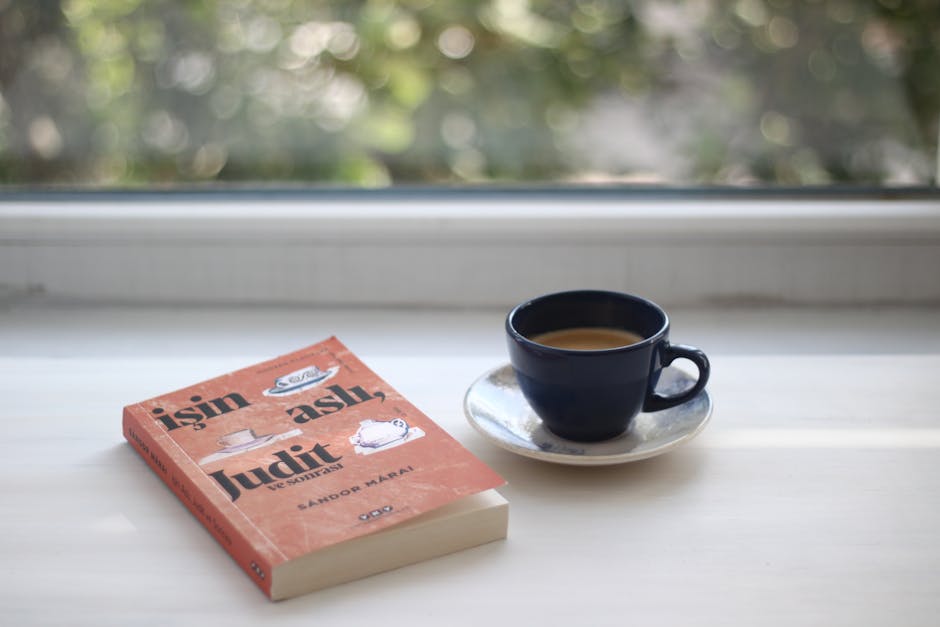

This book has been on my shelves for years and it always felt intimidating to me. But I have read it now for my book club and can say that I am happy I finally did. Not because I enjoyed it tremendously, but because it is a whole different reading experience. You basically read two stories: S (the main story) and The Ship of Theseus which takes place in the margins of the book: a conversation between two readers, strangers at first who connect through the book S, and the search for the author´s identity. The book contains postcards, letters, drawings, and maps – all adding to the reading experience. Or taking your attention away from the story. The book raises questions such as “Can you separate work from the author?”, “How much of the own life does a writer really add to a story?” and most interesting to me “Is it necessary to know anything about the author to understand its work?”. We will have the book club discussion next weekend and I am curious o hear what my friends think about it.
The 57 Bus by Dashka Slater

This book read like a lengthy newspaper article. It is based on a true story about a crime that took place in 2013: Sasha, 18 years old and identifying as agender, is riding a bus, sleeping when Richard sets their skirt on fire. The book tells about Sasha´s identity and raises the question if Richard´s crime was a hate crime. And while the book does not give a clear answer, I found it interesting to think about how media portrays crime, in general, but also in this particular case.
Transcendent Kingdom by Yaa Gyasi
This was the first book I read by Gyasi and I absolutely enjoyed it. Gyasi tells the story of a mother and daughter. A family torn apart, but united at the same time, by drugs and depression. A father who leaves the family, a daughter who is trying to keep her mother alive while finding her way in an academic world. I enjoyed the way it was written and that it touched upon so many different topics in a raw, honest way.
Im Park der prächtigen Schwestern (Las Malas) by Camila Sosa Villada
Another book I´ve read for one of my book clubs. Sosa Villada tells the story of trans women in Argentina in the late 1980s and 90s. The book feels very realistic at times. I guess that is the case because Camila Sosa Villada herself is a trans woman who experienced many things mentioned in the book. I enjoyed the story but I did not fully enough the way of writing. The magical realism-passages felt out of place to me, but some of my friends really liked them. The book is full of violence, heart brake and tales of prostitution and survival. It definitely gives insight into a world that is very different from what my life looks like and opened my eyes further to what others have to suffer from for just being themselves.
Open Water by Caleb Azumah Nelson
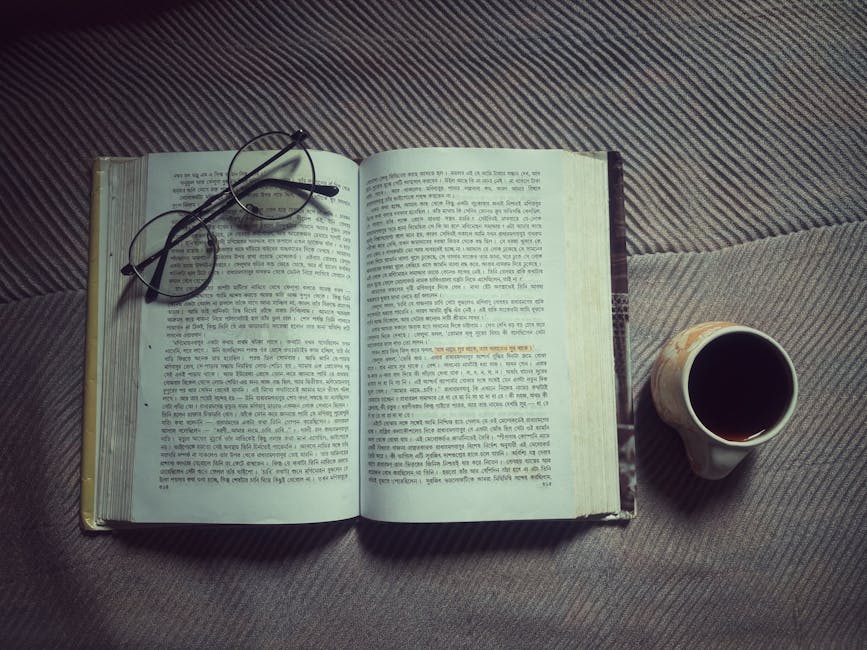
The debut novel of photographer Caleb Azumah Nelson was my favourite fiction book this month. It tells the story of two friends falling in love. Nothing special you might think. But it is – the book, only roughly 140 pages long, is so full of heartbreak and emotions. It tells the story of an unnamed person falling in love with a woman. And while love is central, the story is also about what it means to be a Black man living in London, experiencing racial profiling, losing friends, and finding his own way. The language of Nelson is almost poetic, raw, and just beautiful. I am sure this is a book I will read again and give as gifts to my friends.
Have you read any of the books? What have you read in the last weeks?
Why I quit social media
Why I deactivated and deleted my social media accounts and how I hope to find some inner rest as a result of it.

Quitting social media
Since last year when I did the “digital detox,” I have been thinking about deleting my accounts on Facebook and Instagram. Mostly because I realized that social media and the sheer amount of input I got did make me feel bad about myself and my life. It made me feel like I am not doing enough, like I am not enough. But then there always was this other part of me that said “Anne, just try harder, make the best of it, use it to grow your business” and I´ve found it difficult to not log in to Instagram.
So a few days ago, I finally made the decision to find out if my constant mood swings (going from “Yeah, life is awesome” to “What are you even doing with your life?” several times per week/day) are because of a deep-rooted issue within me and if letting go of social media can help me find some inner rest and calmness and enjoy my life more. And this is where I am now. I have deleted my Facebook account and deactivated my three Instagram accounts. To make sure I cannot access them, I have changed the email address connected to these accounts to my boyfriend´s address. In case I want to log in and reset my password, he gets a notification. It makes me a bit sad that this outer control is necessary but yeah, I think I abused social media and this is the price to pay now.
What I hope will happen now
To be honest, I do not want to have high expectations, but I also know that I have them already. For months, if not years, I am constantly battling myself about the purpose and meaning of my life. I have been chasing some goals and highs that did not make me happy after all and I secretly hope that by the end of the year, this will have stopped. My wish is to find out what I really want to do in my free time, without influences from outside like it was before. I hope I will start the majority of my days listening to what I want to do that day and then do it. And find joy in doing these things, not only in a “shareable” result. I wish that I will feel better about myself and my life. That I find many moments of deep work, where I get into some kind of flow, fully immersed into the task ahead. I wish to deepen my connection with the people in my life. But most of all, I wish to live according to my values.
I will share my values and how I have found them in an upcoming post. That post will also cover how I have come to the conclusion that I have a lot of “junk values” and how I came up with my own definition of success and how I try to live up to it. I am currently preparing a long, in-depth post about success and our thinking about it, and knowing that I am taking the time to dig into this topic at my own pace makes me super happy already.
First observations
It has only been a couple of days that I have stopped using social media but I have already run into a couple of situations in which I could not access information because I do not have a Facebook account anymore. I wanted to, for example, look up some information about a little fruit and vegetable shop in the neighbouring city but they are only available on Facebook. I think it will happen more often in the course of the next months. And for a moment I was a bit annoyed by how inconvenient that now is, but then I thought “Well, I guess I have to go to the shop now to find out what I want to know” and that thought somehow made me happy again. It means I have to cycle there, talk to the owner – things that I enjoy and might lead to some nice conversations and opportunities.
I want to start writing here again as I enjoy writing and thinking about some topics. I also want to share the books I have read again and just find joy in writing and thinking.
Update: a few months later I took this one step further with a self-experiment in digital minimalism.
Review: What We’re Told Not to Talk About (But We’re Going to Anyway) by Nimko Ali
I do not often read books that make me feel slightly embarrassed about how little I know. But What We’re Told Not to Talk About (But We’re Going to Anyway) by Nimko Ali did exactly that – and I am grateful for it.
Nimko Ali is a Somali-British activist and one of the most prominent voices campaigning to end female genital mutilation (FGM). This book is part memoir, part manifesto, and entirely honest. She writes about her own experience of FGM as a child, about the silence and shame that surrounds it, and about what it has taken – personally and politically – to keep speaking about it anyway.
The title says it all, really. There are things we do not talk about – in families, in communities, in public life – because they are uncomfortable, because they challenge the way things are, because speaking up has a cost. Nimko Ali pays that cost again and again, and she does it with warmth, humour, and an absolute refusal to be quiet.
What struck me most was the tone. I expected something more clinical or angry – and while there is righteous anger here, there is also a lot of joy and personality. Ali is funny. She is self-aware. She writes about her community with both love and clear-eyed criticism. And she insists throughout that this is not a problem confined to one culture or one religion – the silencing of women’s bodies, women’s pain, women’s voices is everywhere.
This is not an easy read in the sense that it is comfortable – it is not meant to be. But it is readable, it is human, and it is important. I finished it in two days and I have been thinking about it ever since.
Who should read it: Everyone, honestly. But especially people who want to understand the intersection of culture, politics, and women’s rights through one woman’s deeply personal story.
★★★★★
Self-experiment: Digital Minimalism
In the last couple of months, I have been spending a lot of time online. Especially Instagram became my go-to app directly after waking up. I am a person who tends to compare herself to others and their lives and successes a lot. And this comparing often comes with questioning my own behaviour, values, dreams, and goals. In most of the cases, my life seemed less exciting, less successful, and less great overall. And I am kind of done with this constant feeling of not being/doing enough. To clarify this: this feeling comes from within me. At no moment did anyone ever, over the last year, tell me I was doing a bad job at my business or not succeeding. On the contrary, people keep telling me that I inspire them to pursue their own dreams and list all the things I have achieved. This feeling of never enough and constantly looking for happiness and the next best thing is taking the joy out of almost everything I am doing. And this is why it has to stop.

My starting point
Until last week, I was using Instagram for about 2+ hours per day. Mindlessly scrolling, chasing new likes, and hoping for new followers. I was constantly checking my shop to see if I had new orders or if someone liked my products. My inbox was refreshed every couple of minutes, in the worst moments, and WhatsApp was constantly on. Until one day about a week ago, I had enough. I finally bought the book “Digital Minimalism. On Living Better with Less Technology” by Cal Newport, deleted Instagram from my phone and started reading.
Digital Minimalism by Cal Newport
While reading the book, I soon realized that the apps itself were not the problem. Although they are designed to have users spend as much time as possible on them, they are not bad per se. It is how I used them that became the problem. I allowed an app to tell me how to feel: about my life, about my business, about the things I want to do, and about what success is. One of the first things to do to go through the digital declutter, as Newport calls it, is to identify the apps and technologies that are optional, and that cause the most distraction and reason to feel not good about me. For me, these are the following apps:
- Gmail
- Etsy
- Youtube
- WhatsApp and my laptop and smartphone in general.
The next step was to make rules for each of these apps/devices and to stick to them for 30 days. I am now on day 2 of these 30 days and I can already feel a difference.
My rules for each app/device are
- Instagram: Delete the app from my phone, use once per week (to stay in touch with people who ordered a custom made embroidery from me)
- Facebook: Delete the app from my phone, do not use at all
- Gmail: Deactivated app from my phone (deleting was not possible somehow), check and reply to emails from 11.00-12.00 every day (Monday to Friday)
- Etsy: Delete the app from my phone, check traffic and likes during my Gmail time
- Youtube: Either listen to music while working or watch inspirational videos while stitching. No mindless murder documentaries, no mindless videos in the evening.
- WhatsApp: Mute notifications, check WhatsApp and reply to messages and stay in touch with friends only between 8.30-9.00 and 17.00 -17.30 each day
- Laptop: 1h per day during my working time has to be screenless work. Today, for example, I spent an hour sitting on the guest bed brainstorming about my business and the direction I want it to take.
- Phone: Turn sound on so people can reach me in case of an emergency, leave the phone in the kitchen after 20.00 o’clock
- Screenless Saturdays: No screens at all until 15.oo o’clock on Saturdays
This might seem like a lot of rules, but I already feel the benefits. I have really realized that I was not in control of how I use the apps and technologies. And that I really want to have this control and power back.
Blocking the sites
My next step was to block the sites mentioned above on my laptop. I scheduled the times during which I can use the apps and it has helped me a lot already. I am using the Chrome Extension BlockSite for this and I had it set up in less than five minutes.
Newport points out that it is important to know how you can fill your new free time and to fill it with meaningful projects or activities. My third step was therefore to make a list of activities I knew from experience would make me feel good and I considered valuable.

Things to do in my new free time
Educational/Learning
- Write my blog: Yes, you might think, really Anne? You did not post anything in months. True 🙂 And this will change again because I am shifting my focus away from fastpaced apps like Instagram and towards more in depth-writing which I find appealing and would like to do more of on a regular basis.
- Follow online-courses: My boyfriend and I are doing the course Science of Happiness at edX by Berkley University and I enjoy it a lot. I have also signed up for the courses Gender and Sexuality: Applications in Society and European Paintings: From Leonardo to Rembrandt to Goya.)
- Read: I already read regularly, but reading is one of the first things I stop doing when I think I have to perform and produce. It is also something I easily stop when feeling stressed.
- Try new recipes: Mostly, my boyfriend cooks but I enjoy it, too, and have the goal to try one new recipe per week for the next twelve weeks.
Outdoors
- Cycle: My boyfriend and I cycle now almost every day. Some days just an hour, other days 100km. It is great to be outside and it helps me to find a bit of solitude.
- Photography: I want to learn how to use my camera better and go for solitude walks (recommended by Newport and others). I want to discover the world around me a bit better and photography always helps me with that.
Home/Family/Friends
- Declutter our home: We have just bought a house and are moving in November. So sorting through our stuff, selling what we don’t need anymore, or give it to others is a valuable and necessary project.
- Meeting friends and family: Of course, this is not so easy and recommended to do during this pandemic, but I can also meet my friends in a video call and have a deep conversation with them instead of just connecting by liking their Instagram photos.
The schedule
Yesterday, I took 90 minutes to make a schedule that includes all the rules above but also gives a clear overview of my tasks for this week and the projects I want to work on.
My day tomorrow, for example, looks like this:
6.30-7.30: cycle
7.30-8.30: shower, breakfast, read
8.30-9.00: WhatsApp
9.00-11.00: Project/ Focus hours: Writing
11.00-12.00: E-Mails, orders
12.00-13.00: Lunch
13.00-14.30: Designing new patterns for my shop
14.30-17.00: Stitching
17.00-17.30: WhatsApp
17.30-18.30: Dinner, Science of Happiness-Course
18.30-21.00: Reading, projectwork, Board Game
Some of you might find this too much planning, but for me, it helps me to know that everything will happen eventually and that I planned it. I will do the first recap of this experiment after week 2 and one final one after 30 days with a detailed plan on how to use social media and the apps mentioned above for my values and purpose. But I think my first conclusion so far is: Social Media will only play a part in my business life, not in my private life in the future and I feel great about it already.
Female Initiation – An overview of concepts
In my first post Female initiation through reading, I gave a short introduction on what initiation is and how it can be found in literature. In this post, I will explain the concept of initiation a bit more in detail and also show how initiation plays an important part in some of our most beloved novels.
Initiation – The origins
The term initiation comes originally from religion and describes a religious change of status by means of a secret ceremony of admission and conversion, which usually unfolds as a tripartite process consisting of the novices ‘moving out’ of their previous existence, their ‘crossing over’ the decisive threshold after their proof of worth through appropriate tests, and their ‘going into’ a new, purified, and elevated existence and which is commonly acted out as a process of symbolic ‘death’ and ‘rebirth’.

Although the term has a rather long tradition, it is Jesuit Jospeh François Lafitau who gives a new dimension to it in 1724. He used the term to describe certain ceremonies of Canadian Indians. He is the first to divide initiation into three phases which he calls le principe, le commencement and l’entree de la vie. There are many anthropological definitions of the term initiation but in this blog series, I only want to use the definition by Arnold van Gennep. In his work Les rites de passage from 1909, he describes how every individual in society moves from one stage to the next with the help of rituals. He emphasises that the individual goes through changes while moving from stage to stage. He is the first to take Lafitau’s three phases and to adapt them to anthropology:
Van Gennep’s model of initiation
According to Van Gennep’s model, an individual follows three phases: An exit (rite de séperation, 1) takes place which separates the individual from society. This spatial as well as mental and emotional separation of the initiate from his family, especially from the mother, equates van Gennep with the death of the novice. The initiator must pass quests during this time to test and strengthen the initiate before he can rejoin society. The time of separation is called crossing (rite de marge, 2). Upon his return (rite d’agrégation, 3) into the “new” society, his life has to follow new rules and norms. His position in society has changed. The return can be seen as a rebirth.
Until Van Gennep, initiation as such was limited to the age of puberty. He is the first to broaden this view and to claim that initiation can take place at any age. He also is the first to include a psychological initiation in the definition which was before purely based on physical rites.
Initiation in literature – a fairly new concept
First of all, most definitions for initiation in literary texts focus on short stories. Furthermore, on American short stories. Cleanth Brooks and Robert Warren adapted the religious and anthropological term for literary texts in their work Understanding Fiction in 1943. The initiation is now more of a process which can contain many steps and the initiate can also only take one step and stay in this group without initiating further.
Mordecai Marcus versus Peter Freese
Mordecai Marcus’ essay What is an initiation story? defines in 1960 two different types of initiation stories:
- Initiation is described as a passage of the young from ignorance about the external world to some vital knowledge
- Initiation as an important self-discovery and a resulting adjustment to life or society
Marcus completely moves away from the three-phase definition of anthropology:
An initiation story may be said to show its young protagonist experiencing a significant change of knowledge about the world or himself, or a change of character, or of both, and this change must point or lead him towards an adult world. It may or may not contain some form of ritual, but it should give some evidence that the change is at least likely to have permanent effects.
In contrast, the three phases (exit, crossing, return) are vital for Peter Freese, who coined the term initiation journey. For both, initiation is not bound to rituals anymore.
A critical examination of society as initiation
Initiation can happen in various ways: Sexually, intellectually or via a critical examination of society. The ladder is one of the main characteristics of initiation in literary texts. When looking at the initiate, one must also always look at the society surrounding the person. And society is also the main factor that has an impact on female and male initiation. Above mentioned definitions are solely valid for male protagonists. Female protagonists undergoing initiation are barely visible in literary texts. While male initiation in literature is being studied since 1940, female initiation is only looked into since the 1970s.
In the next post, I will write about female initiation through literature in novels and show you how initiation can be found in works by Jane Austen, Marguerite Radclyff-Hall, Pearl Abrahams, Daj Sijies and Lloyd Jones.
9 tips for a successful book club
Reading, meeting friends and talking about the book you’ve just read – it sounds amazing. The decision to start a book club is soon made and off you go. I am a member of two book clubs. It used to be three but one fell a little apart and I think I know why. It is funny that I had planned this post already some days ago and that the topic of the book club that just didn’t feel right anymore came up today while meeting a friend. Here is a list of 9 tips to have a successful and fulfilling book club.

9 tips for a successful book club
1. Be clear about your expectations
For one it might be to get together with friends, drink some wine and casually talk about a book. For another it might be the only book they read the month and they want to learn. Learn about the book, but also learn about you as a friend and fellow reader. Be clear on why you start (and/or join) the book club and what your expectations are.
2. Meet regularly, but not too often
You want to meet regularly, but everyone has a different reading tempo. Allow enough time for everyone to actually read the book, but don’t make the time between meetings too short so people might feel under pressure. You are doing this for fun after all!
3. Have a variety in the books you read
Unless you are a specific genre book-club, make sure to have a good variety. My one book club only reads fiction but we have a good selection of classics, contemporary novels and different genre. My other book club reads fiction and non-fiction and we try to switch between these two every other month.
4. Do something else than just talk about the book
Talking about a book is great, no doubt, but if you want to spend time with your friends, it might be nice to do something else as well. One of my book clubs started as a board game club and we now first discuss the book and then play games for hours. It is amazing. Even though we might spend time talking about a book I didn’t really like or have a lot to say about, I always know that there will be games. With my other book club, we always meet at a new restaurant and try new food.
5. Have some questions ready about the book
Many books have already questions for book clubs at the end of the book. They are usually very good and lead to great discussions. If you struggle to get the discussion going, I can only recommend having some open questions prepared to start the conversation. You could also pick out 5 questions everyone has to answer before the meeting. Anything that gets the talking going is wanted.
6. Have dedicated members
In the beginning, everyone will be excited. Then life gets in the way and members might start to drop out or not manage to read the book in time. If your expectations are clear, you can stir this. However, it is vital to be open and talk about the book club and what it does to the group when someone stops reading or showing up. A book club does not have to be huge. My one book club consists of three members and it is great. Two dedicated friends are better for this purpose than 10 who start slacking.
7. Stick to the book
Meeting friends is wonderful, especially if you haven’t seen each other for a month. However, you meet to talk about a book, so stick with it. Maybe have someone in charge who stirs the conversation in the right direction again.
8. Don’t just bring your own friends
We all live in a bubble and usually surround ourselves with people who share the same interests and opinions. Why else would you start a book club together? To broaden your horizon, maybe open the book club for people none of you knows. You will get to know other people, maybe make new friends and see the book in a different way.
9. Throw all rules overboard and have fun
You want to read only books that start with E? Only meet every 6 months? Go for it! Tips are nice, but they are no guarantee that your book club will be a success. Make it your own! I believe that it will be wonderful and last a long time as long as everyone is having a good time and leaves the meeting feeling ready to read the next book.

Are you part of a book club? Which books have you read already?
Update, October 2026: I finally wrote down the questions I keep bringing along. You can find all of them in 50 book club questions that work for any book.
Female initiation through reading – An introduction
Learning how to read was my rite de passage.
Alberto Manguel
In his extensive work on the history of reading, Alberto Manguel makes a connection between the motif of reading and the relatively new literary model of initiation. In this blog series, I want to show how female protagonists go through a totally different type of initiation compared to their male counterparts – a journey through th the medium of books and through reading.

What is initiation?
Initiation is, according to the Cambridge dictionary, described as “special ceremony or responsibility that signals the acceptance of someone into a group”. The term originally comes from the anthropology. It was then adapted for literary texts after the Second World War. The literary concept of initiation describes the phased introduction of a young man into society. In literature, the young man goes on a life-changing journey and gains new experiences, knowledge and morals. They help him to either submerge into the society or to demarcate from it.
Male and female protagonists – a short comparison
Female protagonists, especially in older texts, are not allowed to travel. They have to stay at home and let the young men go out into the world and experience life out there. Of course, there are texts in which female protagonists are travelling. A few examples are Doris Lessing’s Martha Quest or Virginia Woolf’s The Voyage Out. There are also young male protagonists who read. Examples are Karl Philipp Moritz’ Anton Reiser, Johann Wolfgang von Goethe’s Wilhelm Meister’s Apprenticeship and Gottfried Keller’s Green Henry. These texts are defined as Bildungsroman and have not been researched in the light of initiation. It is interesting to point out that the male protagonists in the above-mentioned books are reading, however, it is travelling that has an impact on their lives and changes them. The male protagonists get encouraged to discover the world by books. The contrast between female limitation and male freedom can be illustrated clearly using these examples.
Female initiation – What does that even mean?
Initiation always also means a loss of innocence, so that female initiation is often only connected to a sexual introduction. The young girl gets a male mentor who introduces her to society, either through marriage or pure sexual seduction. Young girls are, due to a lack of female tutors, introduced to a clear heterosexual, male-dominated world and have to renounce their own desires and wishes. Why is it not possible for female protagonists to establish themselves in the society around them without having to give themselves up? There is no own, independent world in which the female protagonists can grow into. The society is always already male-dominated and occupied with male dogmas.
I wanted to find a female pendant to the male initiation journey and I believe that it can be found through reading. The male initiation journey finds its counterpart in the female reading.
Next week, I will discuss the concept of initiation a bit further and what this concept means in literature. I will also discuss which books I looked into to see how female initiation through reading is represented in classics and contemporary literature.
Do you believe that books and reading can change the world?
Eat that frog – How to get the right things done
We want to do it all and we very often want or have to do it right away but we also want to make sure to get the right things done. Not only the things others want us to do. Since I work only three days a week, I feel myself get overwhelmed with tasks at work but also on my days off. I just plan too much for one day and get disappointed in myself when I haven’t managed to do all the 20 things on my to-do list instead of seeing the 10 things I did.
I am always looking for new ways to structure my work or projects in a better way and want to share the two things that have made a huge impact on my way of working.

The two things I now do to get the right things, or to be honest, to get anything done, can be found in the book Eat that Frog by Brian Tracy.
1. Monthly, Weekly and Daily plans
I always have a yearly bucket list. Things I want to do in a specific time frame and sometimes I do not know how to make them all happen. A few weeks ago, I took 30 minutes, and I promise you that it won’t take longer than that, and I’ve done the following to make sure I am crushing my goals this year:
- Finalised my master list of goals for 2019.
- Created a monthly list for the remaining months of 2019. This means I have created a list for each month. I looked at my yearly bucket list and wrote down the projects/things I want to do/work on in each month. Some projects take several months and are never finished.
- Create a weekly list. I then took the monthly, rather global items and divided them over the weeks of the respective months. I made sure that all items are scheduled at one point in the month.
- Create a daily list. I took the weekly list and divided all the items there over the seven days of the first upcoming week.
Example of lists
You can find my master list of goals for 2019 here. This list is the basis for the monthly, weekly and daily list.
Monthly list August 2019
- Stitch 5 portraits
- Spend a weekend without my mobile phone
- Found a magazine
- Visit more provinces of the Netherlands
- Start a power network
- Be able to do a push-up
- Host an art night for my friends
- Try 5 new recipes
- Create one new book lover city guide
- Journal for a month straight
- Try courses at the gym
- Declutter our guest room
- Create cross-stitch design and put it on Etsy
- Start my happiness project
- Work on my blog
- Grow my Etsy shop
These are the goals I am focussing on in August. So, let’s see how I broke them down for the first week of August.
Weekly list
29.07-04.08.2019
– Stitch two portraits
– Create to-do-list for my magazine
– Work on push-ups
– Host art night for my friends
– Try one new recipe
– Journal
– Tidy up guest room
– Happiness project
– Blog
– Instagram
– Sport
– Reading
– Power network
In the first week of August, these were the things I wanted to focus on. I created such a very global list for every week of August making sure these lists cover the goals I wrote on the monthly list for August.
The weekly list then turned into a list for every day of the week, making sure I cover all the things from the weekly list over the course of the seven days of the week.
Daily list 30.07.19
- Read the book on how to publish a magazine for 30 minutes in the morning
- Instagram post and reply to comments
- Write blogpost
- Make a list of blog post ideas
- Continue with to-do-list for my magazine
- Send doodle for art night to my friends
- Tidy up guestroom
- Set date for power network
- Ask favourite book shop if they want to sell my pin
- Stitch one portrait
- Journal before bed
- Read before bed

Why the lists work well for me
I am less stressed because I have a clear overview and know that all my projects and things I want to do have their time now. I set priorities without leaving other things behind. At the end of each week, I look at the things I managed to do and also at the things I didn’t do. They are either moved to another upcoming week or I will make a recap/review at the end of the month and see how I can improve for the months to come.
I can only recommend to try it yourself and have created a printable you can use to structure your monthly, weekly and daily things you want to do.
Now, let’s talk about the second thing I am doing that helps me structure my work-load better.
2. Divide tasks into A/B/C-tasks
Brian Tracy suggests that we think about the tasks we have to do. And question ourself if it is a task we really must do (A-task) because it has consequences if we don’t or if it is a task that we should do (B-task). Undone B-tasks have only mild consequences. You can further divide your tasks into C-, D- and E-tasks. C-tasks are things that are “nice to have”. It doesn’t have any consequences if these tasks get done or not. D-tasks are things you can delegate to someone else, while E-tasks are tasks you can just ignore and not do at all.
How I use the ABCDE-method to get the right things done
At the beginning of the week, I take a notebook and write down the things I want or have to do this week. Then I decide if the tasks belong to category A, B or C. After writing the responding letter in front of the task, I start making a daily plan. I make sure to also plan in some buffer-time because at my work it often happens that spontaneous things are coming up.
Once I am done with planning out my week, I put the tasks with the A, B or C letter on my trello-board and map out the week there. This takes maybe 10 minutes at the beginning of the week but it really makes a difference in how I work and how much work I get done. I also make sure that I never start on a B or C task before my A-tasks of the day are done. Whenever I get a new task, I add a card on my trello-board and immediately put the right letter in front of the task so I know which tasks to focus on. Since I adapted this system, I get all my tasks for the week and even more done and that makes me just feel proud and organised.
How do you organise your projects and things you have and want to do?
Download the lists for your goals below and get the right things done.
Books Ive read in July
In the last weeks, I have managed a more balanced way of living my daily life. Usually, I tend to focus on one thing and then one thing only. This results in neglecting the rest of the things I want to do. April until the end of May were low-reading months. I focused on eating better, working out a lot and getting more structure in my life. Now that this is, partially, implemented and in place, I took July to focus on my true passion: books. And somehow I ended up with 12 books that I finished this month. I have never ever read that much and will probably not read that many books in the near future, so sit down, get a good cup of coffee or tea, some cookies and find out which books I really liked this month and which I will probably forget within the year.

Book-highlights of July
The Forest of Wool and Steel by Matsu Miyashita
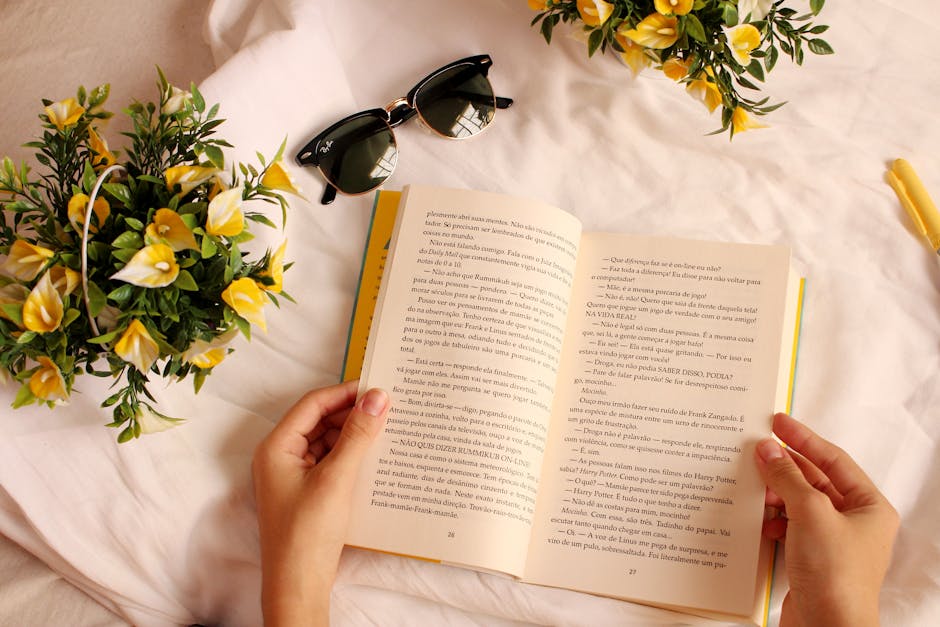
I received this book as a present from my boyfriend and it was such a perfect gift. This Japanese novel tells the story of Tomuta, who grows up in the mountains. His life is changed fundamentally when he witnesses a piano tuner perform his job at Tomuta’s school. The student decides to become a piano tuner. We follow him through struggles and first successes. This book is beautifully written. The characters are delicate, soft and unique. Miyashita manages to create a somewhat mystique but yet familiar atmosphere without using stereotypes. I enjoyed a lot how little you know about the protagonists in terms of age and looks, but how well you get to know them through their thoughts, behaviour and speech.
What I talk about when I talk about running by Haruki Murakami
Murakami is one of my favourite authors, and I gave this book to my boyfriend last year in his Advent-Calendar because he is a runner. It was his first Murakami book (but not his last hehe) and hearing him talk about it made me want to read it as well. I have no connection to running, however, this book is so much more. We get to know the famous author on a different level. He explains why running is essential for him and how it helps him be a better writer. I feel like I know Murakami better now and I got the impression that he is a very humble, kind person. That just makes me want to read his books even more.
Heart of Darkness by Joseph Conrad
I read this book for one of my book clubs and I think it was the perfect time for me to read it. Conrad managed to create a very intense, exciting atmosphere while not adding a lot of action to the story. I enjoy good symbols in novels, even if they might be a bit obvious as they are in this book. The river Thames and the Congo both symbolising the differences between the “worlds” and how culture is seen by the “other”. Many have claimed that the book is just about a man rambling about his time on a boat and I think this does not do it justice. It is a document of the thinking of Conrad’s time and gives us a deep insight into the racism and prejudices of the end of the 19th, beginning of the 20th century.
Books I learned from
Of course, I also learned from the other ones, but these books helped me with a problem or question I had recently.
Eat That Frog by Brian Tracy
This book is a collection of 21 tools/principles that help you organise your (work) day better and more efficiently. I have just finished it this weekend and have started to use two of suggestions yesterday and could already feel a difference. I plan to test them for longer and write a full review of them here in a couple of weeks.
Laufen by Jean Echenoz

I had never heard about the Czech runner Emil Zátopek. Echenoz tells a fictional portrait of the wonder-runner who shook the world after the Second World War. The book made me want to learn more about Zátopek and in general about athletes who have to face repercussions from their or other countries.
Creative Confidence by Tom and David Kelley
The two brothers wanted to write a book to share their passion for creative confidence. Creative confidence is your own belief in your abilities to change the world around you for the better. I felt that the book focuses a lot on managers, inventors and less on smaller, independent artists. However, I learned that it is essential to overcome your fear of showing your work to others. I tend to plan and plan and work something out in great detail before showing it to others. After reading this book, my goals have shifted and I want to show the rototype of my new project within the next 2 months.
Other books I have enjoyed
Normal people by Sally Rooney
The Art of Thinking Clearly by Rolf Dobelli

Inflight Science by Brian Clegg
So you want to publish a magazine? by Angharad Lewis
Books I did not fully enjoy
Girl, interrupted by Susanna Kaysen

Emotional Intelligence: Happiness published by Harvard Business Review
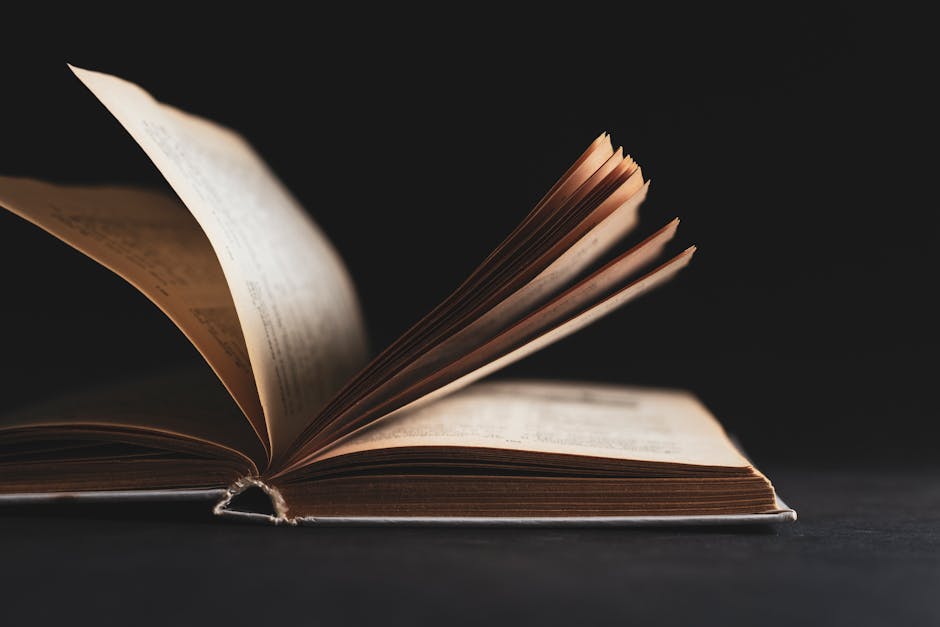
Which books have you read this month? What was your highlight?